Enhance Your Property: Key Information On Residential Improvement Projects for Every Homeowner
Property owners frequently look for ways to improve their homes by using renovation services. These projects can range starting with kitchen improvements to complete home renovations. Understanding the options available is vital for deciding wisely. Moreover, one find the facts must consider real-world factors such as setting a budget and choosing the right builder. As homeowners commence on this journey, they could face unexpected challenges. The key to a successful transformation lies in thorough design and implementation. What should be done subsequently?
Grasping the Diverse Forms of Residential Renovation Work

When homeowners consider renovating their living spaces, they typically find a variety of remodeling services tailored to different needs and preferences. These options can be widely classified into several types, each focusing on particular areas of residential enhancement. Kitchen remodeling focuses on upgrading equipment, storage units, and layouts to enhance functionality and the look. Bathroom remodeling typically involves updating the hardware, tiles, and shelving options for better convenience and style.
Whole-home remodeling encompasses significant changes throughout the residence, frequently involving changing the structure to make the most of the space and layout. External improvement work, in contrast, concentrate on enhancing the home's outward appearance, addressing siding, the roof, and the yard. Moreover, niche projects like basement finishing and upgrading the attic enable property owners to utilize fully unused areas. Every renovation category provides distinct advantages, enabling homeowners to choose options that match their goals for their living environment. Understanding these distinctions is vital for making informed decisions throughout the remodeling project.
Creating an Attainable Financial Limit for Your Remodeling Project
How do property owners make certain their remodeling projects remain within budget? Setting a practical budget is necessary. It is advisable for homeowners to begin by assessing their monetary resources, including savings and potential financing options. This initial step helps establish the funds available for the remodel while maintaining other fiscal obligations.
Next, homeowners must investigate the expenses linked to their planned updates, considering materials, labor, and unforeseen expenses that often arise. Making an exhaustive list of needs aids in separating necessities from non-essential items, enabling modifications if the finances are strained.
It is prudent to set aside an emergency fund, generally 10-20% of the entire budget, to account for surprise expenditures. Regularly reviewing and adjusting the budget as the updating work progresses is also useful for preserving fiscal oversight. Ultimately, a well-planned budget ensures the project is feasible but also improves the entire renovation process for property owners.
Finding the Best Contractor for Your Needs.
Choosing the appropriate professional can significantly affect the outcome of an updating effort. Homeowners should begin by conducting thorough research, seeking recommendations from friends, family, or online reviews. It’s vital to verify credentials, such as licenses, insurance, and surety bonds, to verify their standing.
Once potential contractors are identified, homeowners should request detailed estimates and timelines, allowing for informed comparisons. Interviews provide insight into communication styles and professionalism, that are key to a cooperative effort.
Furthermore, examining previous work via portfolios or referrals can reveal a contractor's quality of workmanship. Property owners must also ask about guarantees or assurances, which shows the professional's belief in their output.
In the end, choosing a professional who matches the homeowner's goals, finances, and schedule leads to a more favorable updating process, ensuring the work fulfills requirements and successfully updates the home's interior.
Structuring and Laying Out The Space You Envision.
As those renovating imagine their desired rooms, careful planning and thoughtful design are crucial elements of an effective updating job. The beginning stage requires reviewing existing necessities and future desires, to gain a complete comprehension of the area's utility. Owners must take into account practicality, visual appeal, and their individual taste, to guarantee the design showcases their unique preferences.
Following this, creating a detailed budget is vital. This budget should cover supplies, labor, and possible unexpected costs. Consulting with design experts can offer helpful perspectives, helping to optimize the space and respecting budgetary constraints.
Integrating components like natural light, open layouts, and eco-friendly supplies can enhance the overall experience. Lastly, visualizing the project through sketches or digital renderings can aid in refining ideas before starting the work. By thoughtfully tackling the design and planning stage, homeowners can create an inviting, efficient space suited to their way of life.
Dealing with Permits and Building Codes in House Renovation
Grasping the intricacies of permits and rules can be intimidating for homeowners embarking on a renovation. Every city or county maintains distinct regulations that dictate what is permissible during renovations, often influenced by area restrictions, building codes, and security requirements. Owners need to acquaint themselves with local regulations to avoid costly fines or project delays.
Generally, securing permits is essential for significant alterations, such as structural changes or electrical work. This process often involves submitting plans for review and could involve check-ups at multiple points.
Working with a skilled professional can simplify this process, as they are typically experts in municipal rules and can assist with paperwork. It is important for homeowners to communicate regularly with the municipal planning office to ensure adherence throughout the project. By understanding and maneuvering through these requirements, homeowners can fulfill their improvement aims and maintaining compliance with the law in their renovations.
Common Queries
How Much Time is Needed for a Typical Remodeling Job?
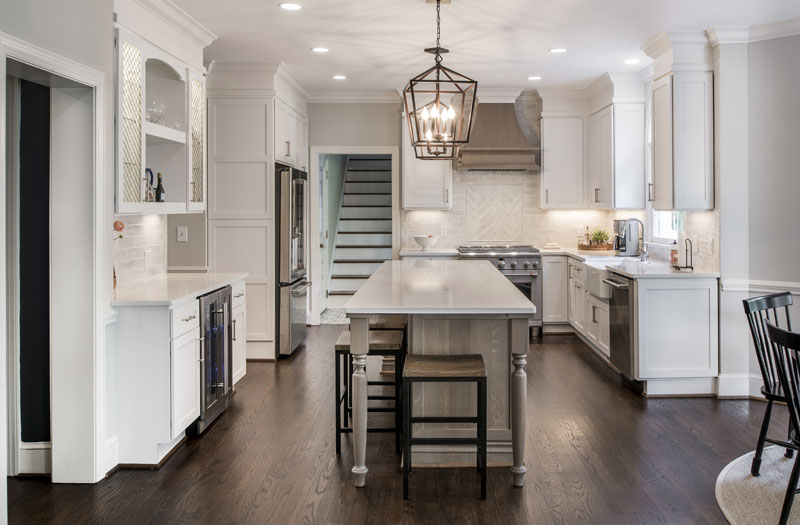
A typical home remodeling project usually takes three to six months on average, depending on the scope of work, size of the home, and availability of materials. More involved renovations might need extra time for completion.
What are some frequent blunders to avoid during remodeling?
Typical pitfalls in the remodeling process often involve failing to budget properly, not securing the required permissions, missing scheduled deadlines, not maintaining clear communication with the construction team, and ignoring long-term functionality. Knowing these potential problems can lead to a more efficient, more positive renovation outcome.
What's the best way to select the appropriate materials for my renovation?
Selecting appropriate supplies means considering how long they will last, the look and feel, and budget. Looking into different products, consulting professionals, and considering maintenance needs can greatly aid in reaching educated conclusions, ensuring the project aligns your functional and aesthetic goals.
Will I be able to reside in my property throughout the construction phase?
It is possible to remain in their home during renovations, but you should expect some hassle. Detailed organization, maintaining open dialogue with your builders, and creating defined spaces where you can live normally can help minimize disruption while the work is underway.
What kind of coverage should be provided from remodeling contractors?
You should anticipate receiving warranties that guarantee the quality of the work, the supplies used, and the integrity of the structure, typically ranging from one to ten years. It is crucial to review the exact provisions with contractors to clearly grasp what is covered and what is excluded.